 Mattresses
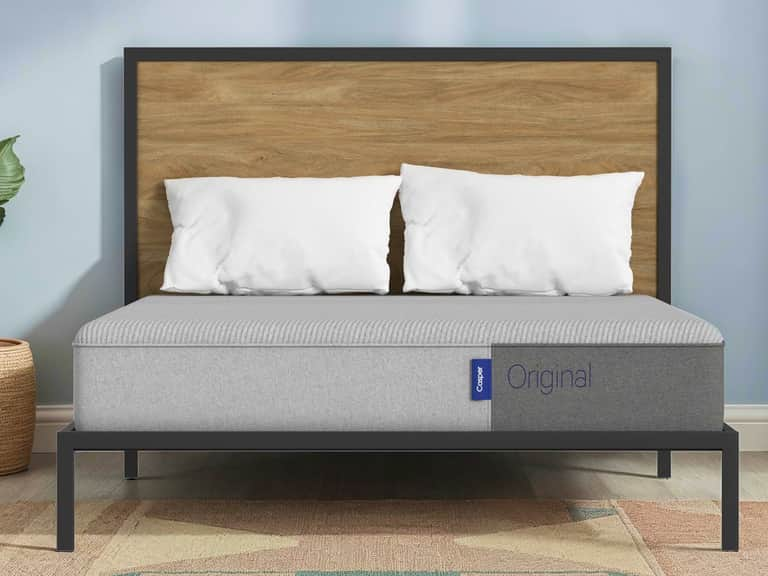
Original Mattress
Sleep cooler and feel cradled as responsive foam hugs your body, with targeted three-zone support for ergonomic spine alignment and steady, cloud-like comfort all night.
Foam mattresses are a popular choice for their adaptive support, pressure relief, and motion isolation. These beds typically use high-density or memory foam layers to contour to body shape, promoting spinal alignment and reducing partner disturbance. Understanding core foam types and thickness helps compare comfort levels across models like Original Mattress and Element Mattress.
The Original Mattress emphasizes responsive foam layers that balance cushioning with support, making it suitable for various sleep positions. Its construction often combines memory foam with transition foams to prevent sinking and to maintain edge stability. This design supports restful sleep by accommodating shifts in posture through the night.
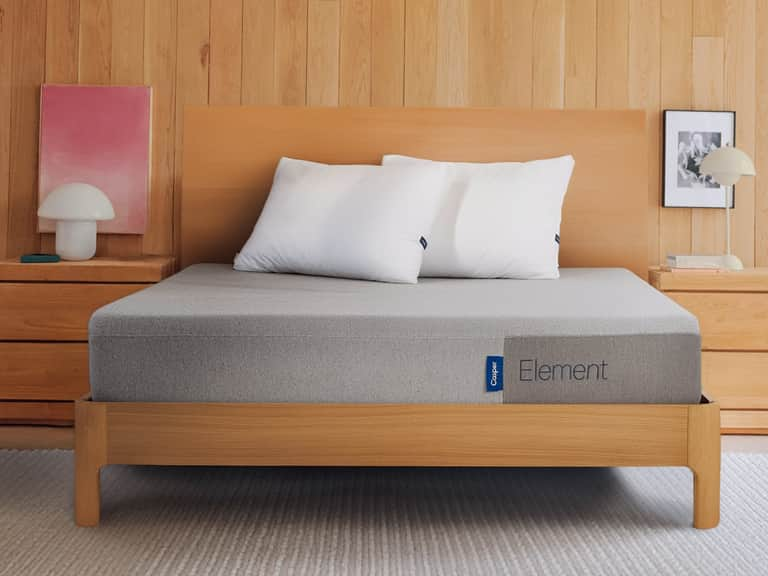
The Element Mattress focuses on targeted contouring and durable resilience, using advanced polyurethane foams or latex-infused foams for enhanced breathability. Key functional benefits include improved pressure distribution for shoulders and hips and reduced heat buildup, contributing to a cooler sleeping surface without sacrificing support.
In evaluating foam mattresses, consider firmness levels, density, and the layering sequence, as these factors influence durability and long-term comfort. For families or caregivers, models like organic crib mattresses may be referenced in related bedding discussions, while general materials science explains how foam memory and rebound affect sleep quality.
For broader bedding considerations, foam mattresses intersect with a range of related items such as pillows, sheets, and organic mattress options. Educational resources explain how mattress choice relates to spinal health, compatibility with bed frames, and practical care tips that extend product longevity and maintain comfort over time.
Mattresses
 Mattresses