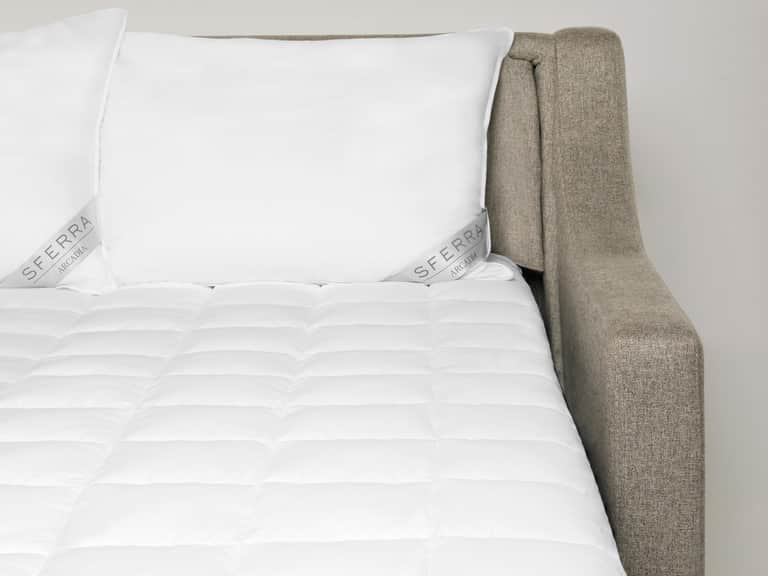
Arcadia Comfort Sleeper Mattress Pad
Experience cloud-soft support on your Comfort Sleeper with pluma-fil fill, secure fit, and durable cotton sateen—stays in place all night for cozy, restful sleep.
A clear, non-promotional look at latex mattress materials and how they vary across reputable brands. This guide helps readers understand firmness, durability, and comfort factors when choosing a latex option without product endorsements.
Latex has long stood as a durable, breathable alternative in the sleep surface landscape. Its natural elasticity, resilience, and temperature-regulating properties place it among the most discussed materials in modern mattress construction. In this article, we unpack what latex is, how it’s made—especially the Talalay and Dunlop processes—and how leading brands position their latex offerings to meet diverse sleep needs. We’ll also provide practical guidance on reading labels, understanding feel profiles, and anticipating durability across brands, all framed through a neutral, evidence-based lens.
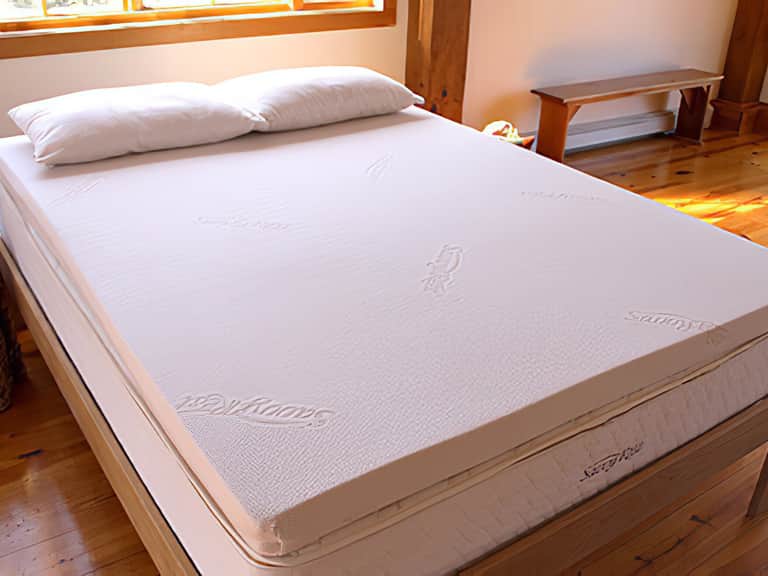
Latex used in mattresses is a natural polymer derived from the sap of rubber trees. It is commonly produced in two primary manufacturing methods: Dunlop and Talalay. Dunlop latex tends to be denser, with a more foundational feel that can translate into robust support and a slightly heavier, more uniform feel. Talalay latex is often celebrated for a lighter, more permeable feel with a consistent, precisely calibrated cell structure that yields pronounced pressure relief and a more buoyant, responsive response.
Beyond feel, latex is inherently elastic, returning quickly to shape after compression. This elasticity supports dynamic weight distribution and motion isolation, which can influence perceived sleep temperature and edge support. Additionally, latex is naturally resistant to dust mites and certain allergens, thanks to its structure and resilience against degradation. For sleepers seeking an eco-conscious option, many latex offerings emphasize natural, or at least a high-recycled content, manufacturing approach, though exact materials vary by brand and line.
Across the market, brands position latex mattresses and latex layers to address a spectrum of preferences—from soft, cloud-like comfort to firmer, more supportive foundations. Read labels with care to distinguish core materials, secondary foams, and comfort layers, as these elements shape overall feel, temperature regulation, and durability. The following overview synthesizes common patterns without endorsing any single brand, focusing instead on the structural ideas that recur across reputable manufacturers.
Reading latex labels requires a careful eye for both the material itself and the surrounding components. Here are practical cues to help you decode product specifications:
Latex can present a spectrum of feels depending on density, layering, and the combination with other materials. A typical guide to feel categories includes:
Keep in mind that firmness perception is also influenced by the overall mattress build, including the presence of comfort foams, transition layers, and the firmness of the core support system. A latex topper on a softer foundation, for instance, can yield a different experience than a fully latex mattress with a denser core.
One of latex’s enduring reputations is temperature neutrality. Natural latex exhibits open cell structures that, when paired with breathable covers and appropriate airflow, can remain cooler than some alternative foam-based systems. However, temperature outcomes are a function of the entire construction: the density of latex layers, the thickness of latex, the materials beneath, and the presence of ventilation features in the cover or core.
Durability is another compelling argument for latex. Natural latex tends to resist compression-set better than some synthetic foams, maintaining surface feel over many years. Talalay latex, with its uniform microstructure, can offer predictable long-term performance, while Dunlop latex’s denser composition may provide sturdier support in certain configurations. Warranties from reputable brands often reflect confidence in these properties, though readers should evaluate the full build and maintenance requirements to avoid hidden wear factors such as improper rotation or exposure to moisture.
Below is a neutral synthesis of common characteristics you might encounter when comparing latex models from established brands. This is not an endorsement but a framework to help you weigh the options.
For sleepers weighing less than 150 pounds, a softer to medium latex feel is often a good match for pressure relief without sacrificing support. For average-weight sleepers (150–230 pounds), a medium to slightly firmer latex profile tends to provide balanced contouring and stability. Heavier sleepers (over 230 pounds) frequently benefit from denser latex layers or thicker cores to maintain long-term support and reduce compression. Positioning matters: back and stomach sleepers may prioritize support and spinal alignment, while side sleepers may seek targeted shoulder and hip relief. In all cases, consider how temperature regulation, motion transfer, and edge support influence your nightly experience.
This article eschews endorsements in favor of a clear, educational map of latex materials and brand approaches. Readers are encouraged to engage with product details directly from manufacturer labels and official product pages to verify the exact composition, certifications, and warranty terms. The goal is to empower informed reading of specifications, with attention to the interplay of materials, structure, and personal sleep preferences.
Among the available items in the site catalog, the Arcadia Comfort Sleeper Mattress Pad represents a notable example of how a high-quality latex-oriented approach can be complemented by a supportive loose-fill or alternative comfort layer to tailor a sleeping surface. Its construction highlights a balance between a sturdy shell and a cushion layer designed for compatibility with sofa-bed configurations. While not a latex-only product, its emphasis on balanced comfort and secure fit illustrates how latex-leaning concepts translate into versatile sleep solutions within hybrid setups. For reference, you can explore the product page here: Arcadia Comfort Sleeper Mattress Pad.
For readers seeking a deeper dive into sleep science and mattress materials, consider peer-reviewed sleep research summaries and reputable health organizations that publish guidelines on sleep health, environment, and ergonomics. The landscape is broad, with multidisciplinary insights spanning physiology, psychology, ergonomics, and material science. A careful, critical approach—evaluating sources on methodology, sample size, and real-world applicability—will serve readers well as they navigate choices that influence nightly rest over years.
Latex remains a compelling material choice for sleepers who value durability, responsiveness, and breathable comfort. By examining how Talalay and Dunlop processes translate into different feels, and by considering the broader context of core construction, layering, and cover materials, readers can approach latex purchases with greater clarity. This article has aimed to provide a neutral framework for comparing leading latex offerings, emphasizing rigorous reading of labels, alignment with personal sleep needs, and a long-term view of durability. The goal is to illuminate the material sense of latex without bias, enabling informed decisions that support healthier, more restful nights.